Feb. 2026 Newsletter
Continued Momentum Toward a PKD-Free Future
We are humbled to share the 2025 Year-End Campaign raised nearly $166,000 to support our PKD-Free Babies Grant Program.
Over 100 families have been supported to date, with 24 PKD-Free Babies welcomed into the world, but many more await the opportunity to begin a future free of the hereditary condition.
This remarkable generosity strengthens our ability to meet the growing demand we’re seeing. To all those who contributed and/or shared our Campaign with their personal networks: Thank you for believing in our mission to end PKD and being part of this powerful community of hope, action, and long-lasting change.

Alliance Advocates Appear on Morning News
Last month, the Alliance was honored to be featured on PIX 11 Morning News (New York City), where nephrologist Heedeok Han, MD, of Columbia University Irving Medical Center joined PKD-Free mother Abby to shine a spotlight on polycystic kidney disease and the life-changing impact of our grant program.
Abby courageously shared her personal journey with PKD and her decision to pursue a PKD-Free future for her family. Her story powerfully illustrates what hope looks like when families are given access to the right tools, resources, and support. Dr. Han explained the genetic nature of PKD, common symptoms, typical age range for diagnosis, and more.
We are deeply grateful for the opportunity to raise awareness on such a visible platform and to continue educating and empowering families.
Click the video preview below to watch the full segment.
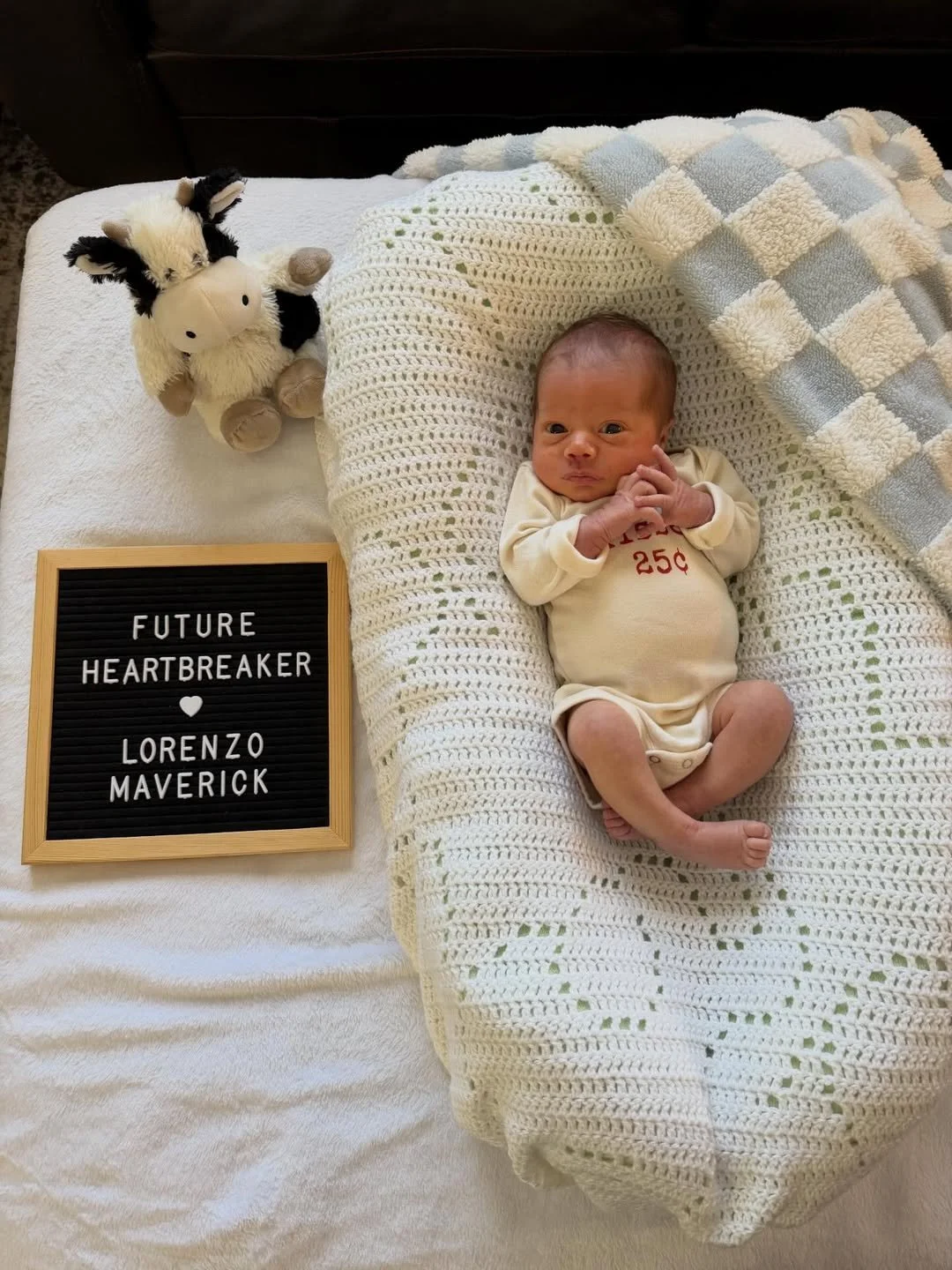
PKD-Free extends congratulations to Alliance Chief "Spokesmom" Natasha Rogina, and her husband, Anthony, on the birth of their second PKD-Free child, Lorenzo, who was born on January 22nd. His elder sister, Juliana, was born in December 2023.
Natasha is a vocal supporter of assisted reproductive technology and an inspiration to many within the larger PKD community.
Research Roundup
Researchers at Cleveland Clinic are utilizing advanced MRI scans to find imaging biomarkers that can help detect and track the progression of autosomal recessive polycystic kidney disease (ARPKD) earlier and more accurately, even when kidney function still appears normal. These imaging tools could make it easier to identify high‑risk patients and further the development of ARPKD-centric clinical trials.
A recent article in The American Journal of Kidney Diseases outlines how muscle mass relates to patient survival and progression to end-stage kidney disease for those with autosomal dominant polycystic kidney disease.
Research published in the The European Journal of Human Genetics found that using existing genetic sequencing data to look for larger DNA changes called copy number variants (CNVs) can help diagnose more individuals with polycystic kidney disease and that some CNVs may also influence how the disease progresses.
A study published in Frontiers in Nutrition evaluated real-world outcomes from the Ren-Nu™ program, which combines KetoCitra® with targeted nutrition and lifestyle changes for individuals with ADPKD. Participants showed improvements in kidney function and body weight, reduced or discontinued blood pressure medications, and reported less pain. Learn more about KetoCitra® and the Ren-Nu™ program on our website.
Follow PKD-Free Alliance's X account to be the first to know about scientific announcements and newly published research. Note: You may need to sign in to your X account to see our posts.